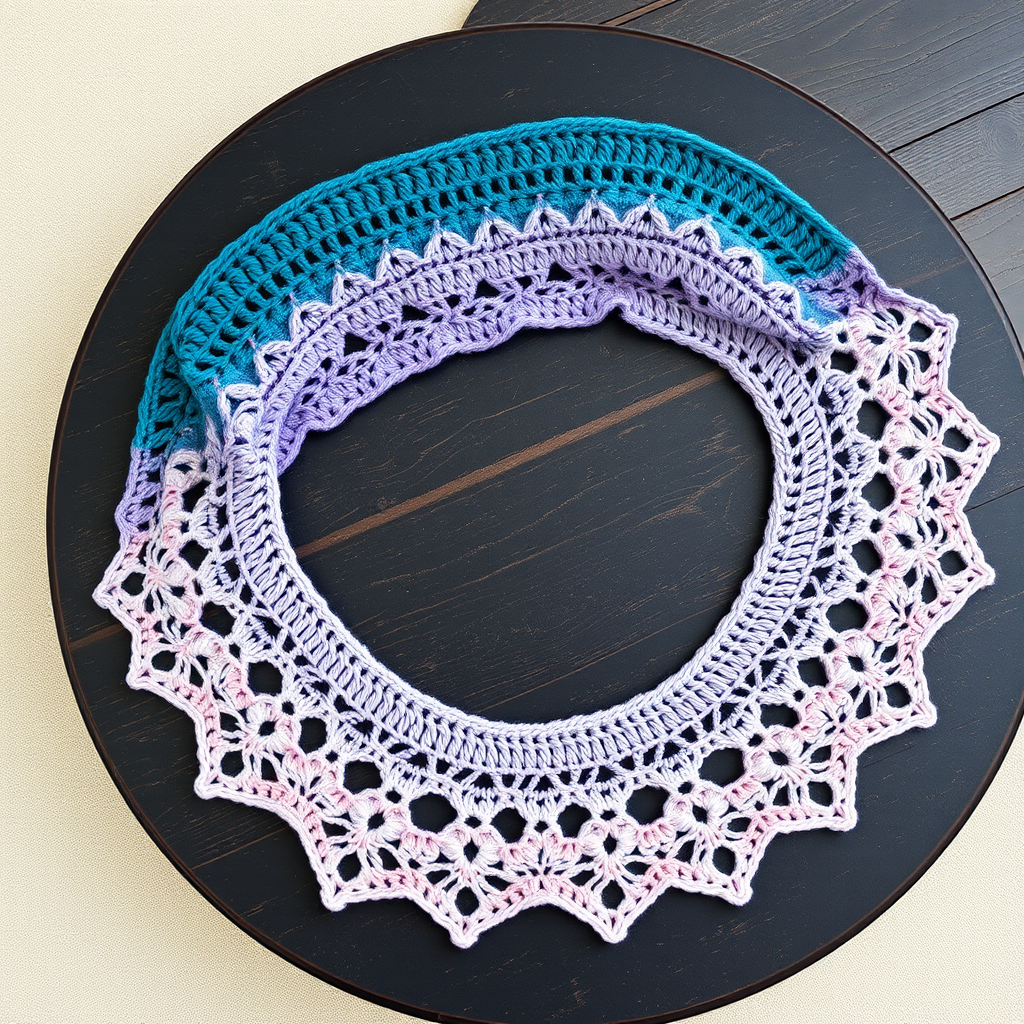
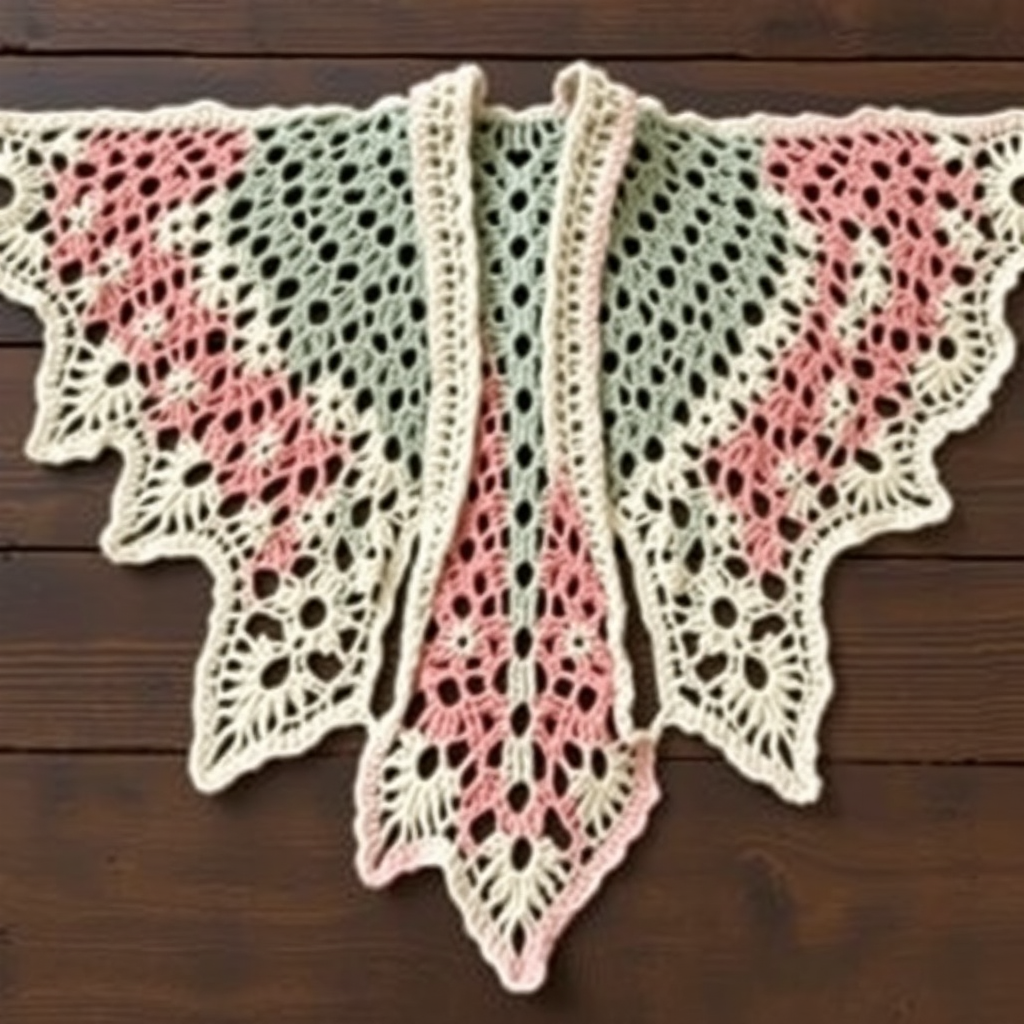
Cascading Tide Shell Stitch Shawl Free Pattern – A Crocheted Ocean Breeze Wrap
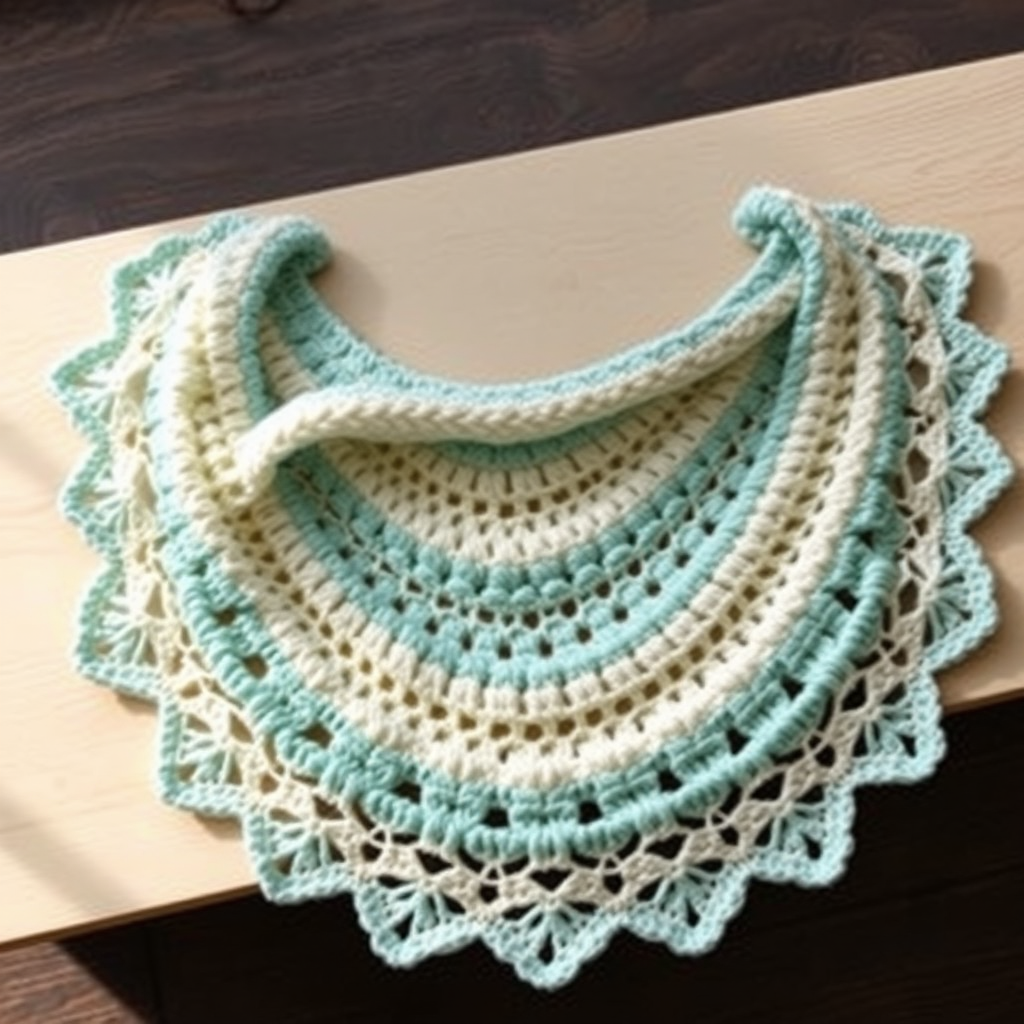
Dive Into the Cascading Tide Shell Stitch Shawl: A Free Crochet Pattern
Imagine wrapping yourself in the gentle rhythm of ocean waves, where each stitch carries the soothing cadence of the sea. The Cascading Tide Shell Stitch Shawl is more than just a crochet project—it's a meditative journey through color and texture. This free pattern uses a flowing shell stitch and gradient yarns to create a lightweight yet cozy layer, perfect for cool evenings by the shore or breezy summer nights. Whether you're a seasoned crocheter or a confident beginner, this shawl offers a rewarding experience with its rhythmic repeats and beautiful color transitions.
In this comprehensive guide, we'll walk you through every step, from gathering your materials to the final edging. By the end, you'll have a stunning, drapey shawl that captures the essence of coastal serenity. Let's cast on and let the tide of creativity wash over you!
Materials Needed for Your Ocean Breeze Wrap
Before we begin, let's gather everything you'll need. This pattern calls for simple, accessible materials that you can easily find at your local craft store or online.
Yarn
- Weight: Worsted weight (#4) cotton or cotton-blend yarn
- Colors: You'll need three colors:
- Color A: Seafoam green (200g)
- Color B: Soft aqua (200g)
- Color C: Creamy white (200g)
- Total Yardage: Approximately 600g total (200g of each color)
Pro Tip: Cotton or cotton-blend yarns work beautifully for this pattern because they provide excellent stitch definition and a lovely drape. The natural fibers also make the shawl breathable and comfortable against the skin.
Hook and Notions
- Crochet Hook: 5.5mm (I-9) crochet hook
- Yarn Needle: For weaving in ends
- Scissors: For cutting yarn
- Stitch Markers (optional): Helpful for keeping track of rows
Gauge
To ensure your shawl turns out the perfect size, it's important to check your gauge:
- Gauge: 4 shell stitches (each shell = 3 dc, ch 1, 3 dc) and 6 rows = 4 inches in pattern stitch.
- Adjustment: If your gauge doesn't match, try switching to a different hook size. Use a smaller hook if your stitches are too loose, or a larger hook if they're too tight.
Step-by-Step Instructions for the Cascading Tide Shawl
Now, let's dive into the pattern! This shawl is worked from the top center down, creating a beautiful triangular shape. Don't worry if the row counts seem intimidating—the pattern is repetitive and meditative once you get the hang of it.
Pattern Notes
- Construction: Worked from the top center down.
- Chain Counts: Chain counts are approximate; adjust as needed to maintain the pattern.
- Ch 3 Counts as First Dc: Throughout the pattern, a ch 3 at the beginning of a row counts as your first double crochet, unless stated otherwise.
- Shell Stitch: Shell = (3 dc, ch 1, 3 dc) all worked in the same stitch or space.
Foundation
With Color A (seafoam green), begin by making a magic ring or ch 4 and joining with a slip stitch to form a ring.
Row 1
Ch 3 (counts as first dc), 2 dc in ring, ch 2, 3 dc in ring. Turn your work. (You should have 2 groups of 3 dc and 1 ch-2 space)
Row 2
Ch 3, 2 dc in first dc (this creates an increase), ch 1, work a shell in the ch-2 space from the previous row, ch 1, 3 dc in the last dc. Turn. (You now have 1 shell and 2 increase groups)
Row 3
Ch 3, 2 dc in first dc, ch 1, work a shell in the next ch-1 space, ch 1, work another shell in the next ch-1 space, ch 1, 3 dc in the last dc. Turn. (You now have 2 shells and 2 increase groups)
Row 4
Ch 3, 2 dc in first dc, ch 1, *work a shell in the next ch-1 space, ch 1; repeat from * across until you reach the last dc, then 3 dc in the last dc. Turn. (You now have 3 shells and 2 increase groups)
Rows 5-12: Continuing the Pattern
Continue in the established pattern, increasing 1 shell each row. Here's how:
- Ch 3, 2 dc in first dc (increase)
- Ch 1, work a shell in each ch-1 space across
- Ch 1, 3 dc in the last dc (increase)
At the end of Row 12, you should have 10 shells. At the end of this row, change to Color B (soft aqua).
Rows 13-24: Color B
With Color B, repeat the same increase pattern. Continue working 1 shell in each ch-1 space, with increases at both edges. At the end of Row 24, you will have 22 shells.
Rows 25-36: Color C
Switch to Color C (creamy white) and continue the increase pattern. At the end of Row 36, you will have 34 shells.
Rows 37-48: Back to Color A
Return to Color A (seafoam green) and continue increasing. At the end of Row 48, you will have 46 shells.
Rows 49-60: Final Color B Section
Switch back to Color B (soft aqua) and continue the pattern. At the end of Row 60, you will have 58 shells.
Adding the Edging
With Color C (creamy white), work a final round of single crochet evenly around the entire shawl. To turn corners neatly, work (sc, ch 2, sc) in each corner stitch. This creates a clean, finished edge that frames your beautiful shell work.
Finishing Touches
- Fasten off your yarn, leaving a tail of about 6 inches.
- Thread your yarn needle and weave in all loose ends carefully.
- Give your shawl a gentle block to open up the shell stitches and enhance the drape. Simply wet the shawl, gently squeeze out excess water, and lay it flat to dry on a towel, shaping it to your desired dimensions.
Tips for Perfecting Your Cascading Tide Shawl
To ensure your shawl turns out beautifully, keep these helpful tips in mind:
Maintaining Consistent Tension
Consistent tension is key to achieving an even, professional-looking fabric. Try to keep your stitches relaxed but not loose. If you find your edges are curling, you might be working too tightly—try going up a hook size.
Color Changes
When changing colors at the end of a row, complete the last stitch of the old color until you have two loops left on your hook, then yarn over with the new color and pull through to finish the stitch. This creates a seamless transition without knots.
Counting Your Shells
It's easy to lose count with such a repetitive pattern. Use stitch markers every 10 shells to help you keep track. This is especially helpful during the longer color sections.
Blocking for Perfection
Blocking is essential for this pattern. It opens up the shell stitches, making them look airy and delicate, and helps the shawl lie flat. Don't skip this step—it truly transforms the finished piece!
Wear and Care Instructions
Your Cascading Tide Shawl is as practical as it is beautiful. Here's how to care for it:
- Wearing: Drape it over your shoulders for a breezy summer evening, or wrap it snugly for cooler weather. The open shell pattern makes it versatile for layering.
- Washing: Hand wash in cold water with a gentle detergent. Avoid wringing—instead, press the water out gently and lay flat to dry.
- Storage: Fold and store in a cool, dry place. Avoid hanging, as the weight of the yarn can stretch the fabric over time.
Embrace the Rhythm of the Sea
As you work through the rows of this Cascading Tide Shell Stitch Shawl, you'll find yourself falling into a soothing, meditative rhythm. The repetitive shell pattern and the gradual color transitions create a sense of calm and accomplishment with each row. Whether you're crafting for yourself or as a heartfelt gift, this shawl is sure to become a treasured piece.
Remember, crochet is a journey, not a race. Enjoy each stitch, embrace the process, and before you know it, you'll have a stunning ocean-inspired wrap that captures the beauty of the coast. Happy crocheting!
Have you tried this pattern? We'd love to see your creation! Share your finished Cascading Tide Shawl in the comments below or tag us on social media. Your work might just inspire another crafter to dive in!