Aurora Dusk Scarf Free Pattern – Gradient Knit Scarf with Diamond Lace

Aurora Dusk Scarf Free Pattern – Gradient Knit Scarf with Diamond Lace
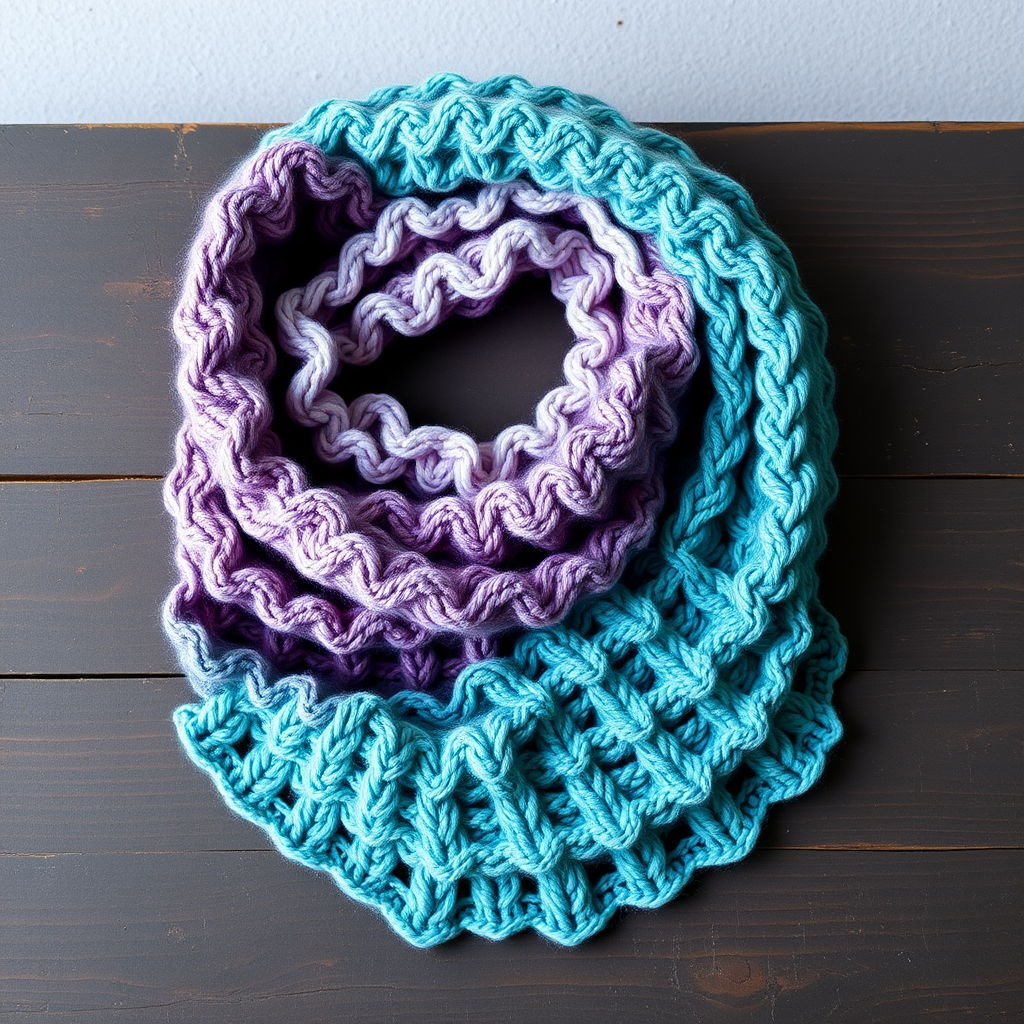
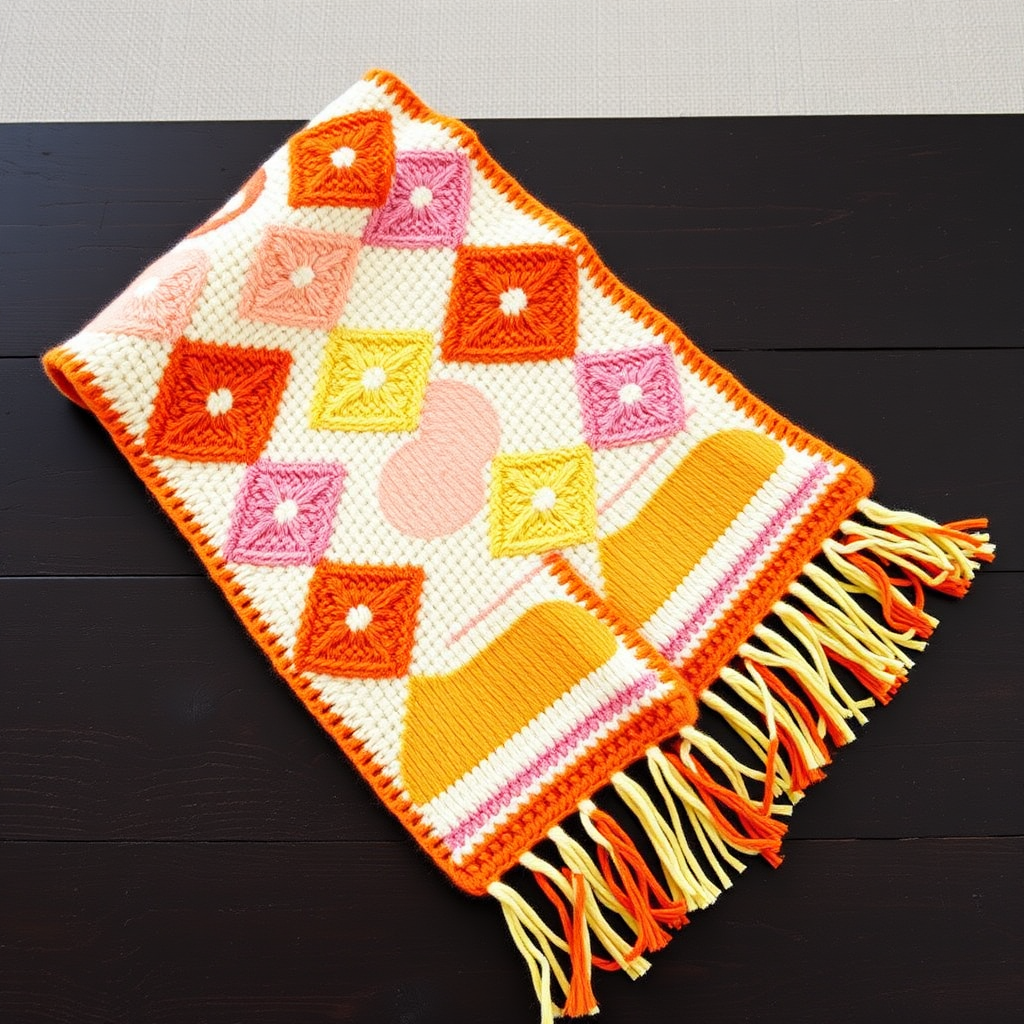
Wrap yourself in the shifting colors of twilight with this stunning gradient knit scarf. Featuring an intricate diamond lace pattern that catches the light beautifully, this modern, artistic take on the classic scarf is perfect for cool evenings and thoughtful gift-giving. Whether you're an experienced knitter looking for a new challenge or a confident beginner ready to expand your skills, this pattern offers a rewarding project with breathtaking results.
The Aurora Dusk Scarf transitions through four coordinating colors—deep indigo, twilight purple, dusty rose, and soft gold—creating a mesmerizing ombré effect that mimics the colors of dusk. The delicate lace diamonds add texture and elegance, while the garter stitch borders keep the edges neat and tidy. Let's dive into this beautiful project!
Materials Needed
Before you begin, gather the following materials to ensure a smooth knitting experience:
- Yarn: Fingering weight yarn in 4 coordinating colors (e.g., deep indigo, twilight purple, dusty rose, soft gold) – approximately 400g total, or a gradient yarn cake of similar weight
- Needles: US 6 (4.0 mm) knitting needles
- Gauge: 22 stitches and 30 rows = 4 inches in stockinette stitch (after blocking)
- Notions: Stitch markers (optional), tapestry needle for weaving in ends, blocking pins and mat
Pro tip: If you choose a gradient yarn cake, you can skip the color changes and simply knit continuously, letting the yarn do the work for you!
Step-by-Step Instructions
Pattern Notes
Before you cast on, here are a few important notes to keep in mind:
- The scarf is worked flat, from one end to the other.
- The diamond lace pattern is a 16-row repeat.
- Slip the first stitch of every row purlwise to create a neat, polished edge.
- Use a lifeline before starting each repeat to easily rip back if needed—this is especially helpful when working lace patterns.
Cast On
Cast on 50 stitches loosely. A loose cast-on is essential for lace patterns to ensure the edge doesn't pucker. You can use the long-tail cast-on method, but be sure to cast on over two needles or use a larger needle for the cast-on row to keep it flexible.
Set-up Rows (Garter Stitch Border)
These rows create a neat, sturdy edge that will frame your lace pattern beautifully:
- Row 1 (RS): Slip 1, knit to end.
- Row 2 (WS): Slip 1, knit to end.
- Repeat these 2 rows once more (4 garter ridges total).
Diamond Lace Pattern (16-Row Repeat)
Now for the main event! Work the following 16-row repeat. The pattern is written with the slip stitch edge already included, so simply follow each row as written.
- Row 1 (RS): Slip 1, k2, *yo, k2tog, k3, ssk, yo, k1; repeat from * to last 3 stitches, k3.
- Row 2 (WS): Slip 1, purl to end.
- Row 3 (RS): Slip 1, k2, *yo, k1, k2tog, k1, ssk, k1, yo, k1; repeat from * to last 3 stitches, k3.
- Row 4 (WS): Slip 1, purl to end.
- Row 5 (RS): Slip 1, k2, *yo, k2, k2tog, ssk, k2, yo, k1; repeat from * to last 3 stitches, k3.
- Row 6 (WS): Slip 1, purl to end.
- Row 7 (RS): Slip 1, k2, *yo, k3, ssk, k2, yo, k1; repeat from * to last 3 stitches, k3.
- Row 8 (WS): Slip 1, purl to end.
- Row 9 (RS): Slip 1, k2, *k1, yo, ssk, k3, k2tog, yo; repeat from * to last 3 stitches, k3.
- Row 10 (WS): Slip 1, purl to end.
- Row 11 (RS): Slip 1, k2, *k2, yo, ssk, k1, k2tog, yo, k1; repeat from * to last 3 stitches, k3.
- Row 12 (WS): Slip 1, purl to end.
- Row 13 (RS): Slip 1, k2, *k3, yo, ssk, k2tog, yo, k2; repeat from * to last 3 stitches, k3.
- Row 14 (WS): Slip 1, purl to end.
- Row 15 (RS): Slip 1, k2, *k4, yo, ssk, yo, k3; repeat from * to last 3 stitches, k3.
- Row 16 (WS): Slip 1, purl to end.
Remember: The yarn overs (yo) create the eyelet holes that form the diamond pattern, while the k2tog (knit two together) and ssk (slip, slip, knit) decreases shape the diamonds and keep the stitch count consistent. If you find yourself off count, count your stitches after each repeat—you should always have 50 stitches.
Color Changes
To achieve the beautiful gradient effect, follow this color sequence:
- Deep Indigo: Work the first 2 repeats (32 rows) in the deepest indigo.
- Twilight Purple: Switch to twilight purple and work 3 repeats (48 rows).
- Dusty Rose: Switch to dusty rose and work 3 repeats (48 rows).
- Soft Gold: Finally, switch to soft gold and work 2 repeats (32 rows).
If you're using a gradient yarn cake, simply knit continuously, letting the color change naturally. This creates a seamless, hand-dyed effect that's equally stunning.
When changing colors: Join the new yarn at the beginning of a right-side row. Leave a tail of about 6 inches to weave in later. For a cleaner transition, you can work the first stitch of the new color with both the old and new yarn held together, then drop the old yarn.
Finishing
After completing the final color section, it's time to finish your scarf:
- Garter Stitch Border: Work 4 rows of garter stitch (slip 1, knit to end) to match the beginning of the scarf.
- Bind Off: Bind off loosely. To ensure a stretchy edge, use a larger needle for binding off or use the "knit two together" bind-off method.
- Weave in Ends: Using your tapestry needle, carefully weave in all loose ends on the wrong side of the work. Be sure to weave in securely so they don't come loose with wear.
- Blocking: This is the most important step for lace! Soak the scarf in lukewarm water with a gentle wool wash for about 20 minutes. Gently squeeze out excess water (never wring or twist). Lay the scarf flat on a blocking mat and pin it to the desired dimensions—approximately 10 inches wide and 70 inches long. Pin out the points of the diamonds to open up the lace pattern and even out the stitches. Allow to dry completely before unpinning.
Final Thoughts
Your Aurora Dusk Scarf is now complete! The combination of the gradient colors and the delicate diamond lace creates a truly special piece that will be admired wherever you go. Whether you keep it for yourself or gift it to someone special, this scarf is sure to become a treasured accessory.
Remember, lace knitting gets easier with practice. Don't be afraid to use lifelines—they're your best friend when working with intricate patterns. And if you make a mistake, remember that even experienced knitters rip back rows sometimes. The beauty of hand-knit items lies in their handmade charm.
Happy knitting, and enjoy your beautiful new scarf!